Curcumin vs Turmeric: How Research Compares Their Roles in Inflammatory Balance
Jul 02, 2025
That bright yellow spice is more than just curcumin. Hidden within its roots are several elements, but one draws extra interest. Its vivid hue caught researchers’ eye first. Inside, they uncovered something active under microscopes. Yet here, the jar in your cupboard holds wider work than one simple job. Actual herbs act like crew members, each doing separate tasks. While certain eyes fix on the lead role, different views track how the whole squad flows. Inflammation is complex and often influenced by multiple interacting compounds.
What exactly is turmeric?
From the same family as ginger grows a vivid yellow root known as turmeric. Across centuries, kitchens and remedies in India and China have made space for it. Often found tucked into rich, salty recipes, its presence stands out. Yet inside the dried flesh, only a small percentage contains curcuminoids, typically estimated between two and eight percent. While taste spreads widely through seasoned food, what acts within the human frame remains narrow.
A funny detail: curcumin appears once specific pieces get removed from the turmeric root. Most times, that means letting powdered spice sit in liquids that latch onto the yellow substance, letting bits like fiber and starch stay behind.
Curcumin is what paints turmeric its bright yellow shade. This compound accounts for many of the biological effects most often studied in turmeric. Scientists isolate it through careful lab processes. Stronger amounts come from these extracts than you’d ever get grinding fresh root into food.
Now here's a question worth thinking through: what other parts of turmeric matter just as much as curcumin?
Turmeric's composition gets complicated fast. It holds turmerones, essential oils, and complex carbohydrates. Some researchers argue that the whole root has synergy, claiming these elements help absorption. Yet when it comes to addressing chronic inflammation in everyday care, much of the available research focuses on concentrated curcumin as the primary active component studied.
Research explores how turmeric affects inflammation in the body
Turmeric chips in, lending a quiet hand to how things run inside. Smoother digestion shows up, while general daily balance gets a nudge forward. Some use it on paper cuts, others drink it with milk. Traditional use does not typically achieve the concentrations studied for managing chronic inflammatory processes.
Why does curcumin help calm internal inflammation?
Here’s what sets curcumin apart. Unlike highly targeted pharmaceuticals, curcumin has been studied for its influence across multiple cellular signaling pathways. A single route isn’t its focus. Multiple paths get activated. Out of nowhere, paths begin to shift. A single medication, a straight line. Signals from different directions start reacting.
What if blocking inflammation starts earlier than we thought? These proteins step in right when the switch is about to flip. They may influence signaling events that occur before certain genes are activated.
What slows certain proteins? A few natural compounds do - much like everyday painkillers affect COX-2. These are not drugs, yet they still fit into cellular systems in comparable forms. Inside the body, their shape might latch onto the enzyme, potentially modulating its activity.
After some time, small adjustments might change how the body deals with puffiness. Once active, markers associated with inflammatory signaling, like TNF-α or IL-6, have been observed to change in some studies. With these signals dimming, internal responses settle down.
What makes it hard for the body to take in turmeric along with curcumin, the piece that works?
Joint health and movement
Stiff joints could respond better to curcumin than to turmeric. Research has examined its effect on inflammation and mobility challenges. A few outcomes suggest potential improvements in mobility and comfort in some populations. Still, not every study shows clear success. What makes turmeric work might help, but the whole root brings more than just that one piece. Absorption decides how strong the effect can be. Each person's body handles it in its own way. Scientists are still looking, and they do not agree on what it all means.
Surprising what you see when checking the data. Studies that gather outcomes from several reliable experiments suggest turmeric extract reduces discomfort in stiff joints while improving mobility for those dealing with osteoarthritis over time. Some studies have compared curcumin extracts to standard care in research settings, though they tend to bother the gut much less frequently. The mildness really shows - especially next to regular treatments.
Could plain turmeric root actually ease stiff joints?
Very large quantities would be required to approach doses used in clinical research, but consuming that much turmeric is unrealistic. Upset stomach tends to show up with doses this high. For stiff or painful joints, regular powder lacks enough strength. What works better has to go beyond the basic form.
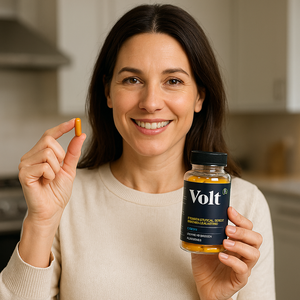
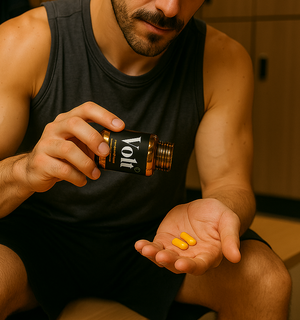
What is VOLT03®, and how does it maximize curcumin's benefits?
A shift happened inside Nutent Therapeutics. Crowds of molecules don’t matter; only those that arrive do. VOLT03® catches attention: a refined version of curcumin shaped by tradition yet proven through data. Rather than hoping, it uses a special path designed to improve curcumin delivery efficiency. Getting there beats showing up.
Bodywide inflammation could respond differently to curcumin compared to localized discomfort. Turmeric’s main ingredient may shift how the system handles broad immune activity. When signals spread across tissues, does this substance alter their path? Joint reactions might not mirror effects seen inside organs.
Few notice it, yet silent inflammation shapes both heartbeat strength and energy burn. When high-grade turmeric extract enters the system, changes in C-Reactive Protein have been explored in clinical research contexts.
What effect does turmeric have on puffiness in certain areas of the body?
Down the path of digestion, whole turmeric takes its time. Instead of rushing into the bloodstream, it lingers close to the gut walls. Where discomfort flares inside the intestines, this localized exposure has been a focus of gastrointestinal research. Quiet support unfolds there, consistent yet gentle, deep in the belly's maze.
How to choose a supplement
-
Standardization: Ensure the label says "95% Curcuminoids."
-
Bioavailability: Imagine little bits zipping around inside your belly - many vanish before doing anything. Check the label. Words such as micellar suggest a sneakier path. When you see phospholipid, think: glide mode into your body's units. Regular curcumin often stays idle. This is not the case with VOLT03®. Studies report improvement in absorption by up to thirty-nine times compared to standard curcumin. The outcome shows what works.
-
Quality Control: Few companies stick to strict rules when making supplements. Look into labels that share verified test results, also backed by third-party testing experts.
Safety and interactions
Something in curcumin may gently affect how fast your blood clots - because of that, using it alongside drugs like warfarin or aspirin needs caution. When turmeric meets those meds, trouble can follow. Getting advice from someone trained in care keeps things smoother later on.
Folks using diabetes meds might notice curcumin nudging their blood sugar reactions. Some say their changes in blood glucose control have been reported, requiring medical supervision when combined with prescribed therapies. Effects differ - no two experiences line up exactly. Yet combining this natural compound with prescriptions has tilted outcomes here and there.
Sometimes things get rocky inside. If your gallbladder acts up, pay attention: curcumin might cause extra squeezing. Caution is advised in individuals with gallbladder conditions.
Talk to your doctor first when thinking about trying a new supplement. Especially if you're dealing with an ongoing health issue.
Conclusion
Many people overlook how concentrated curcumin differs from whole turmeric in terms of studied potency. Because its concentration of effective compounds runs much higher. While the full root just can’t match that intensity. When tackling inflammation, many systems respond faster to potent spikes of key substances. Which nudges pure curcumin ahead - just a bit.
Fat helps curcumin move through the body more smoothly. Egg yolks, avocados, or olive oil in a meal change how it travels. These items steer it where it needs to go. What you eat alongside it weighs more than when you eat it.
This content is for educational purposes only and is not intended to diagnose, treat, cure, or prevent any disease. Consult a qualified healthcare professional before using dietary supplements.
FAQs
1. What is the difference between turmeric and curcumin?
Turmeric is a spice derived from the root of the Curcuma longa plant, while curcumin is one of the active compounds found in turmeric.
2. Which is more effective for inflammation, turmeric or curcumin?
Research often focuses on curcumin because it is the main compound associated with turmeric’s potential anti-inflammatory properties.
3. Why is curcumin commonly used in supplements?
Curcumin is typically concentrated in supplements because it represents the most studied active component of turmeric.
4. Does turmeric contain only curcumin?
No. Turmeric contains many natural compounds, including curcuminoids, essential oils, and antioxidants, with curcumin being the most well known.
5. Why is black pepper sometimes combined with curcumin?
Black pepper contains piperine, which may improve the body’s ability to absorb curcumin.