The Gut-Immune Connection: Understanding Your Inner Ecosystem
Jun 23, 2025
What if your gut plays a meaningful role in how your immune system responds to everyday challenges? Research suggests that factors such as stress or antibiotic use may influence immune-related pathways by altering gut balance. Scientists increasingly describe digestion and immunity as closely connected systems that communicate continuously. This ongoing interaction influences how the body regulates immune responses over time.
Your plate influences far beyond stomach comfort - shaping silently how defenses respond. Within your stomach, microbes cooperate with immunity. Slow changes, not sudden ones, show up after weeks of steady routine. What you eat, how you move, where you pause - it all shapes the quiet workings inside. A pattern forms when those pieces line up, day after day.
Curious what research supports our approach? Head over to Our Science & Story to discover how natural insights meet strict scientific standards.
The World Within: The Gut Microbiome
Inside our bodies lives a world of tiny creatures. These shape how we fight sickness every day. Think of it like an unseen teammate working nonstop. Its presence matters a lot for your gut’s wellbeing. Experts refer to it as the gut microbiome. When things inside get out of sync, immunity might slow down.
Inside your gut? Life. Countless small beings (bacteria, fungi, and even viruses) settle deep in the colon. Not just passengers. They build connections, act together, and run tasks tied to digestion and chemical signals. Greater microbial diversity is often associated with more balanced immune responses. Research from the NIH Human Microbiome Project has linked reduced microbial diversity with markers of immune dysregulation and metabolic imbalance.
When Balance Breaks: Dysbiosis
Dysbiosis refers to a disruption in the balance between different microbial populations in the gut. That state has a name, dysbiosis.
-
Certain medications, particularly when used long-term, may contribute to microbial imbalance.
-
Eating the same processed foods every day plays a role, too.
-
Stress sneaks in and shifts how bugs behave.
-
Infections sometimes kick off the whole mess.
-
Even a lack of sleep changes what lives there.
Bacteria thrive on fiber; today's meals often skip it. Sugary, heavily processed foods dominate instead. These choices leave helpful gut organisms underfed. Without nourishment, their numbers drop. Balance shifts where it should not.
When stress drags on, the link between mind and belly shifts how the digestive tract functions. This connection may help explain how prolonged stress is associated with changes in gut function and microbial activity.
The Ripple Effect of Gut Failure
What happens when gut balance fails? Packed with troublesome germs, the gut's barrier begins to fail. Changes in barrier function may allow certain bacterial components to pass more readily into circulation - LPS being one, a bacterial component found in specific microbes. The immune system may recognize these signals and activate inflammatory pathways. Changes in barrier function may allow certain bacterial components to pass more readily into circulation
Over months or years, that steady alertness wears down defenses. Eventually, the system struggles to respond sharply. Illness finds an easier path in. Immune regulation may become less balanced over time, too.
Note: Curcumin has been studied for its role in inflammatory signaling pathways relevant to whole-body immune balance. Take a look at what VOLT03® does next.
Microbes Doing the Heavy Lifting
What tiny life forms shape how immunity works? Every microbe plays a different role. Certain types, along with the chemicals they make, act like signals between the gut and the immune system. Scientists digging into gut bugs spotlight a few standouts. A journal called Cell Host & Microbe found that these microbes do heavy lifting behind the scenes:
Lactobacillus: Produces lactic acid, creating an environment that may limit the growth of certain undesirable microbes.
Layer after layer, these tiny contributors weave a silent shield—each piece locking into place.
Akkermansia muciniphila is associated with gut barrier–related pathways and is often observed at higher levels in individuals with balanced metabolic health, though its role is associative rather than therapeutic.
Botanical Interactions: Curcumin and Guggul
What takes place when curcumin or guggul interacts with gut bacteria? Preclinical studies suggest these compounds may interact with gut microbial activity beyond basic absorption. Their presence shifts microbial activity in the intestines. While one compound comes from turmeric, the other stems from a resin—both seem to influence digestion beyond basic absorption.
-
Curcumin: It is associated with microbiome-related changes in preclinical studies.
-
Guggul: It is linked to lipid metabolism pathways that may influence microbial composition. (primarily observed in preclinical and metabolic research models)
Building Daily Resilience
Here’s what shapes your gut and immune wellness. Think about daily habits that quietly influence both:
1. Diverse Plant Intake
Fresh fruits, vegetables, and whole grains give helpful microbes what they need. When meals include many plant types, tiny gut inhabitants thrive in better harmony.
2. Unseen Prebiotic Helpers
Beneath your meals, unseen helpers thrive when onions show up on the plate. Garlic slips in support without drawing attention. Leeks blend right into the mix, doing their part. Oats roll in later, keeping things humming along. Each bite passes something useful down below. Nothing dramatic happens. Just quiet fuel moving through.
3. Fermented Life
Right out of the fermenting jar, kimchi delivers bustling tiny life straight to your insides. A wave of friendly bugs rides kefir down directly to where food breaks apart. With sauerkraut, strong colonies dive far into the winding gut tunnels.
4. Beyond the Plate
Water plays a big role, not only in what you eat. Berries bring help, also nuts, plus some dark chocolate—all packed with polyphenols.
Regular physical activity and circadian-aligned sleep patterns are associated with healthier immune and gut signaling. When sleep changes, so do body reactions—sometimes in clear ways. High pressure doesn’t just affect mood; it reshapes gut function and immune behavior at once.
The Power of Consistency
What sticks matters more than how hard you push at first. Tiny changes, day after day, slowly open doors to stronger habits. Consistency beats intensity when building routines. Small shifts over time make space for better resilience.
Science-Backed Supplementation
What nutrients have been studied for their role in supporting gut–immune pathways when dietary intake is inconsistent? Some nutrients have been studied for their role in supporting gut-immune pathways.
-
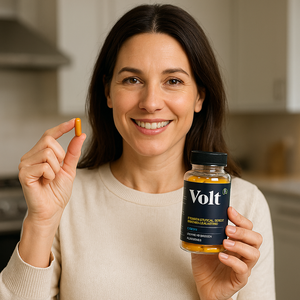
VOLT03®: A bioavailable curcumin formulation studied for its role in supporting inflammatory balance related to gut–immune signaling.
-
Guggul Resin: From ancient trees comes a resin that supports metabolic pathways that influence microbiome balance. This natural substance supports metabolic pathways that may indirectly influence microbiome balance.
-
Vitamin D & Zinc: Built into your body’s defenses, Vitamin D, along with Zinc, supports immune function and nutrient signaling relevant to gut health.
Real Evidence vs. Marketing Hype
Truth is, gut-immune links aren’t just theory. Real studies back it up. Evidence shows that what happens in your gut shapes immune responses. Observed associations reported in clinical and translational studies. Lab results matter more than slogans here. Observational studies suggest that greater gut microbial diversity is associated with improved recovery markers in respiratory illnesses. If that tiny world inside you becomes unbalanced, problems can arise - think ongoing swelling or a weakened defense system.
That imbalance shows up a lot in people struggling with repeated infections. Overall, evidence supports a meaningful association between gut microbiota and immune function.
Curcumin has been studied for its role in inflammatory signaling pathways. Moving through the evidence, a shift appears in gut microbes tied to better health markers. Guggul enters the picture with lipid control linked to shifts in intestinal bacteria. Science quietly confirms what some assumed: natural pathways withstand scrutiny just like any lab-born compound. Each finding builds not on hype but on measured observation over time.
Signs of a Balanced Body
These signs are general wellness indicators and not diagnostic markers. Here’s what happens inside your body when things run smoothly. Look closely at how Nutent Therapeutics builds its formulas, based on research. Dive into the details if you’re curious about the biology involved. Gut function ties deeply to immune strength over time. When communication between these systems flows right, a few clear signals show up:
-
Energy & Digestion: Notice consistent energy, steady digestion, regular daily patterns. Your body tells you it’s balanced without using words.
-
Recovery: Most times, illness is a threat that your immune system is ready to face. When it shows up, you bounce back fast. Sometimes health holds strong; other moments, healing just comes easier than expected.
-
Comfort: Bloating fades when your gut stays balanced day after day. Discomfort loses its grip once rhythm returns to digestion.
-
External Clarity: Fewer breakouts on your face during springtime. Rashes pop up less when pollen counts rise.
Choosing the Right Path
Could certain nutrients help support resilience as part of a broader wellness strategy? Though we talk about backing up health instead of fixing it, certain science-backed nutrients, like VOLT03® and GlucodOX®, have their place in long-term wellness approaches. With your metabolic balance supported, immunity stays ready without tipping into excess.
What matters most when picking a product for gut health?
-
Transparency: Skip formulas that hide ingredient amounts behind terms like “exclusive mix.” Instead, check for clear labeling showing exactly what's inside.
-
Effective Amounts: What works in trials tends to guide how much is used. Effective amounts come from real test results.
-
Third-Party Checks: Lab checks confirm strength and screen for unwanted substances. Independent testing ensures what's inside matches the label claim.
-
Bioavailability: How well your body takes in the substance matters most. Absorption decides if it works at all.
What sets Nutent Therapeutics apart? Run like a pharmacy, not a supplement shop. Made in labs with top-tier certifications. Every ingredient shows up on the label; nothing is hidden. Doses are built to matter, not just fill space. Real amounts. Clear sources. No guesswork.
Important Safety Note: Got questions about when to call a healthcare provider? Some supplements can clash with drugs you take. Think turmeric or guggul, they’re strong, active compounds. Talk to your doctor before mixing them in. This matters more if you use blood thinners or meds that affect metabolism. Your pharmacist can also help guide choices. These supplements are not intended to diagnose, treat, or prevent disease.
Myths vs. Truths
-
Myth: Gut wellness is simply another passing fad.
-
Truth: Science treats it as essential in medicine, deeply tied to how our immune system functions.
-
Myth: Every gut problem vanishes with probiotics.
-
Truth: These helpful microbes target specific conditions, nothing more. Each type acts differently in the body. Eating the right fibers feeds them effectively. Without controlling internal irritation, their impact fades fast.
-
Myth: Every turmeric product works the same way.
-
Truth: Most forms pass through your body without being used. Absorption matters for bioactive compounds; certain formulations are designed to improve bioavailability compared to standard extracts. What you find on shelves often falls short.
Immune strength starts in your belly. When gut bacteria are in harmony, the body handles swelling better, trains its defenders well, and stays sharper against invaders. Plant-based helpers such as turmeric root extract and guggul resin give proven backup here. That's where steady health begins.
Fresh from lab testing, Nutent blends time-tested ingredients into science-driven nutritional formulations. Where old remedies meet new evidence, their work takes shape quietly. Formulas built on results, not theories, stand firm through trials. Each compound is chosen carefully, backed by both history and science. Last of all, give your body what it needs using supplements backed by research, not guesses. Explore every option at Nutent today.
The Chemistry of the Mind-Gut Road
What makes firms such as Nutent Therapeutics choose high-purity doses lies hidden in tiny messages shuttling back and forth from gut to mind. Forget mere breakdown of food, this is chemistry talking, shaping mood, recovery, even time’s mark on the body. Behind every shift in energy or ache lies a quiet chat made of molecules.
Down in your neck runs a nerve that links gut to brain like a quiet road through thick woods. Immune cells stand guard along it, deciding what gets through. Good microbes make chemicals after eating fiber, which touch the nerve gently. Signals travel up, telling the body to ease tension. Less pressure inside shows on the outside, thoughts clear, nerves steady.
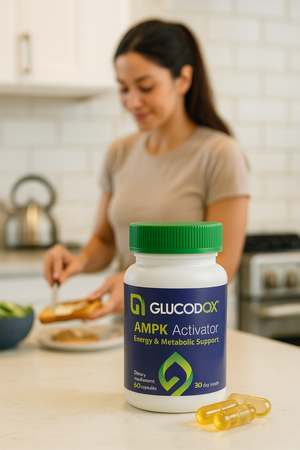
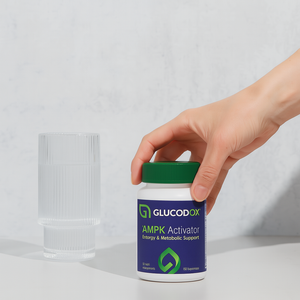
GlucodOX® works by turning up activity in a key cellular sensor known as AMPK. This molecule plays a central role in how the body uses fuel. It does not operate alone; its performance ties closely to what happens inside the digestive tract. Poor balance among gut microbes tends to slow down its response, which may contribute to extra pounds and chronic irritation in tissues. With natural support along this route, the system regains control over energy flow and defense functions. Few notice how deeply digestion shapes this process.
What happens inside your body matters most. Natural compounds such as curcumin often pass through without being used. Many products on shelves miss the point; the label says turmeric, but the result is little to none. A better path exists. VOLT03® uses precise methods borrowed from medicine-making to carry curcuminoids safely. These substances arrive intact at key immune areas near the intestines. Getting there makes all the difference.
Returning to a Natural Balance
Our world feels cleaner but full of hidden poisons. Not meeting enough different tiny life forms early in life, while swimming in man-made toxins later, leaves immunity unsure what to do. That uncertainty shows up as allergic reactions or the body attacking itself. Bringing back helpful bacteria along with plant-based calming helpers means giving our inner world a chance to return to something older, less controlled, more alive.
Looking ahead to 2026, what counts as a supplement or medicine gets less clear every year. Firms focused on real trial results, such as Nutent Therapeutics, are setting the pace. Because pure, effective ingredients work better when they align with how bodies naturally function. Well-being built this way outpaces anything pushed by ads alone.
What matters most? Staying steady over time. Inside you, two quiet protectors work hard: your digestion, your defense. Pick what research supports. Load up on roughage. Tame swelling with smart food-like helpers. This isn’t about quick fixes. It’s building strength that lasts, one choice at a time.
FAQs
1. What is the gut-immune connection?
The gut-immune connection refers to the relationship between the digestive system and the immune system, where gut microbes help regulate immune responses.
2. What is the gut microbiome?
The gut microbiome is a community of trillions of bacteria and microorganisms living in the digestive tract that support digestion and immune function.
3. How does gut health influence immunity?
A balanced gut microbiome helps regulate immune cells, support nutrient absorption, and maintain the body’s natural defenses.
4. What can disrupt the gut microbiome?
Factors such as poor diet, stress, certain medications, illness, and lack of sleep may affect microbial balance.
5. Can improving gut health support immune health?
Supporting gut health through balanced nutrition, lifestyle habits, and proper digestion may help maintain overall immune function.