How Antioxidants Reduce Oxidative Stress
Jun 10, 2025
It is quite evident that our bodies go through a lot every day. Pollution, stress, poor diet, and aging can all take a toll on our cells. Over time, this can lead to something called oxidative stress, a process that damages cells and speeds up aging. Well, you are reading it right! But fret not, as antioxidants help stop or slow this process. They protect our cells, support overall health, and help the body stay in balance.
To be precise, many people hear about antioxidants in foods and supplements, but not everyone knows how they actually work. So, let’s break it down in simple terms.
What is Oxidative Stress and Why Does It Matter?
Oxidative stress happens when your body has more free radicals than it can handle. Free radicals are unstable molecules produced during normal bodily functions, like breathing and digestion. They also come from external sources like pollution, UV rays, and cigarette smoke. When these free radicals build up, they start damaging your cells, DNA, and tissues. Over time, this damage can lead to premature aging and long-term health issues.
Here are a few key things to know before you move ahead:
- Cell damage: Free radicals attack healthy cells and trigger further damage.
- Invisible effects: You can’t see oxidative stress, but it affects your body’s strength and recovery.
- Early action helps: The sooner you protect your cells with antioxidants, the better your body can repair itself.
According to the National Institutes of Health, ongoing oxidative stress makes the body work harder than it should, similar to running an engine non-stop without rest.
What causes oxidative stress at the cellular level?
Free radicals are produced naturally in the body, but certain factors increase their levels.
Here are some internal triggers:
- Normal body metabolism.
- Immune system activity.
- Cell signalling and inflammation
Here are a few external sources:
- Air pollution and UV exposure.
- Cigarette smoke and alcohol.
- Processed foods and unhealthy fats.
- Pesticides, heavy metals, and toxins.
All these factors can overwhelm your body’s natural defence system, leading to oxidative stress.
How is oxidative stress linked to aging and chronic disease?
As we age, free radical damage builds up in our bodies. This process affects how our organs, skin, and brain function. Research from the Journal of Clinical Investigation shows that while aging can’t be stopped, we can slow the effects by managing oxidative stress with antioxidants.
Health conditions related to oxidative stress:
|
Condition |
Effect on the Body |
|
Heart Disease |
Damages blood vessels and affects heart health |
|
Diabetes |
Interferes with insulin and blood sugar control |
|
Neurodegenerative Diseases |
Affects brain cells and nerve function |
|
Cancer |
Causes DNA changes that can lead to cell mutations |
|
Arthritis |
Increases inflammation and joint pain |
What are the early signs or symptoms of oxidative stress?
Many early symptoms of oxidative stress seem like common fatigue or aging. However, paying attention to these signs can help you act early.
- Constant tiredness even after resting.
- Low endurance during physical activity.
- Poor sleep quality or irregular sleep patterns.
- Trouble concentrating or remembering things.
- Mental fatigue or brain fog.
- Slow wound healing.
- Frequent colds or infections.
- Dry or prematurely aging skin.
If you notice several of these symptoms, your body might need more antioxidant support.
How Do Antioxidants Work To Neutralise Oxidative Stress?
Antioxidants work by stopping free radicals before they can damage your cells. They donate an electron to stabilise these unstable molecules, keeping your cells safe. This simple exchange helps prevent chain reactions that harm tissues, proteins, and DNA. When antioxidants do their job well, cells stay balanced and healthy.
What are antioxidants, and where do they come from?
Antioxidants come from two main sources: your diet and your body’s own production system.
Food Sources:
- Colourful fruits and vegetables like berries, spinach, and carrots- Herbs and spices such as turmeric, oregano, and cinnamon
- Nuts, seeds, and whole grains
- Lean proteins that support cell repairMade by the Body:
- Enzymes like superoxide dismutase (SOD) and catalase (CAT)
- Small molecules such as glutathione
- Natural repair systems that keep your cells stable
A balanced diet with a mix of these nutrients can strengthen your body’s antioxidant defenses.
How do antioxidants neutralize free radicals and support cell health?
Here’s how antioxidants protect your cells:
- Find: They locate unstable free radicals.
- Stabilize: They donate an electron to balance them.
- Protect: They help keep your cells and tissues healthy.
- Recharge: Some antioxidants, like vitamins C and E, can renew themselves and keep working.
Different antioxidants often work better together, offering stronger protection when combined.
Is there a limit to how many antioxidants we should take?
Yes, balance is important. Taking too many antioxidant supplements can interfere with the body’s natural processes. Here’s what to keep in mind:
- Focus on variety rather than quantity
- Get most antioxidants from food whenever possible
- Check with a healthcare provider before taking supplements
- Be aware of potential interactions with medicines
Which Natural Antioxidants Are Most Effective According to Clinical Studies?
Some antioxidants have been studied more widely for their ability to reduce oxidative stress. These include:
- Vitamin C: Supports the immune system, promotes collagen, and reduces oxidative stress. It’s found in citrus fruits, peppers, and leafy greens.
- Vitamin E: Protects your cell membranes from oxidation and helps maintain skin and nerve health. It’s found in nuts, seeds, and vegetable oils.
- Curcumin: The active component in turmeric. It has powerful antioxidant and anti-inflammatory effects. Studies show it helps lower markers of oxidative stress and supports healthy aging.
Combining these antioxidants in your diet or supplements can improve their overall effectiveness.
When Does Oxidative Stress Become a Health Threat?
Everyone experiences some oxidative stress, but problems arise when free radicals become excessive.
A poor diet, lack of sleep, chronic stress, and constant exposure to pollutants can tip the balance. Over time, this can affect the heart, brain, immune system, and other vital organs. Keeping your antioxidant levels balanced is key to preventing this.
Who is most at risk for chronic oxidative stress?
Anyone can be affected, but certain people are at higher risk:
- Older adults who produce fewer natural antioxidants
- Individuals with diets low in fresh fruits and vegetables
- People exposed to smoke or air pollution
- Those experiencing high stress or poor sleep
- People with long-term health conditions
Knowing your risk helps you make lifestyle choices that protect your health.
How Can I Naturally Reduce Oxidative Stress Through Lifestyle and Supplementation?
Lowering oxidative stress is about creating daily habits that support your body’s natural defenses. Here are simple ways to reduce oxidative stress:
- Eat a balanced, colorful diet rich in fruits and vegetables
- Exercise regularly to boost circulation and energy
- Get enough sleep each night
- Manage stress with relaxation or meditation
- Avoid smoking and limit alcohol
- Reduce exposure to pollution and harmful chemicals when possible
Supplements can help fill nutritional gaps, but they should always go hand-in-hand with a healthy diet and lifestyle.
At this point, you may ask: which supplements to choose? You'll find an answer ahead.
What Makes Nutent's Approach to Antioxidants Unique?
Nutent focuses on combining science-backed ingredients with clean, transparent formulas that support antioxidant balance naturally.
What ingredients in VOLT03® and GlucodOX® offer antioxidant benefits?
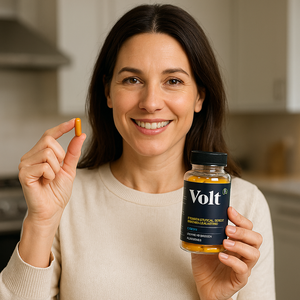
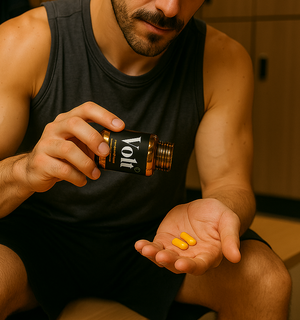
Nutent’s VOLT03® contains curcumin paired with gamma-cyclodextrin to significantly enhance absorption. Curcumin is a powerful antioxidant, but it is notoriously difficult for the body to absorb in therapeutic amounts. Nutent solves this by using pharma-grade curcumin along with a pharma-grade solubilizer, resulting in a formulation that is far more bioavailable than standard curcumin products.
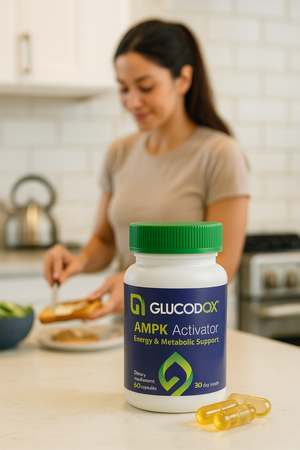
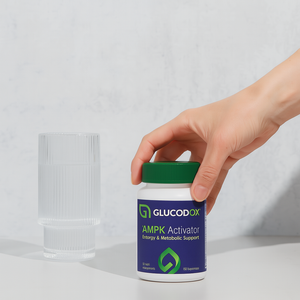
Although GlucodOX does not function as an antioxidant, it is formulated for metabolic support. It is rich with ingredients like milk thistle and American ginseng, that help protect cells and support healthy metabolism.
Why is Nutent different from mainstream supplement providers?
Nutent emphasizes transparency and science. Every ingredient is tested for purity and potency.
Research shows that using several complementary compounds together offers better protection than relying on a single ingredient. Nutent follows this principle of by carefully designing formulations that support meaningful biological pathways with clean, clinically informed ingredients.
Bottom Line
Oxidative stress is a normal part of life, but too much of it can harm your health over time. The good news is that you can manage it through simple, consistent habits. Eat a balanced diet, stay active, get enough rest, and include antioxidant-rich foods or supplements, like Nutent's VOLT03®, when needed. These small daily steps help your body stay strong, protect your cells, and support long-term wellness.
FAQs
1. What is oxidative stress?
Oxidative stress is a condition where harmful free radicals outnumber antioxidants in the body, leading to cellular damage that may contribute to aging, inflammation, and chronic diseases.
2. How do antioxidants work against oxidative stress?
Antioxidants neutralize free radicals by donating electrons, preventing them from damaging cells, proteins, and DNA.
3. What are the best antioxidants for reducing oxidative stress?
Common antioxidants include vitamin C, vitamin E, beta-carotene, selenium, polyphenols, and flavonoids found in fruits, vegetables, nuts, and whole foods.
4. Can antioxidants help prevent chronic diseases?
Yes. Antioxidants may help reduce the risk of heart disease, neurodegenerative conditions, and certain cancers by minimizing oxidative damage.
5. Are antioxidant supplements better than food sources?
Whole foods are generally better because they provide a complex mix of antioxidants, fiber, and nutrients that work together. Supplements may help in specific deficiencies.
6. Can too many antioxidants be harmful?
Excessive supplementation may disrupt the body’s natural balance and interfere with normal cellular signaling. Moderation is key.
7. How can I increase antioxidants naturally?
Eat a colorful diet rich in berries, leafy greens, nuts, seeds, whole grains, and herbs, and reduce exposure to pollutants and smoking.