How to Spot Low-Quality Supplements?
Jul 28, 2025
Many consumers are unaware whether the supplements they use are clinically effective or simply underdosed and ineffective. The nutraceutical industry is currently experiencing rapid growth and commercialization. Consumers are frequently exposed to marketing claims that promise rapid results, often without sufficient scientific backing. However, many of these products fail to meet quality, dosing, or efficacy standards.
Many supplements are either underdosed, rely on proprietary blends that obscure ingredient quantities, or are manufactured without stringent quality control standards.
At Nutent Therapeutics, we emphasize bridging the gap between natural wellness and pharmaceutical-grade scientific rigor. Our pharmaceutical-grade nutraceuticals are not about marketing or using another company's data, but conducting scientific research ourselves to support product claims. This blog will take you through the process of exactly how to discern a low-quality supplement and how the brand you buy is far more important than you may have thought.
What to look out for to find low-quality supplements?
Two turmeric or curcumin supplements may appear identical at a surface level. However, significant differences exist in formulation quality, bioavailability, and clinical efficacy. It takes peeking behind the bottle to see the quality of the supplement, and thus digging deep into the "Supplement Facts" section and the scientific integrity of the brand.
-
A low-quality supplement is typically defined by three key factors: dosage, bioavailability, and transparency. The three primary indicators of low-quality supplements are sub-therapeutic dosing, poor bioavailability, and lack of transparency. When a product has the correct ingredient in a dose that is too small to introduce a biological response, then it is of low quality.
-
What are the consequences of low bioavailability and supplement efficacy? Bioavailability refers to the proportion of a substance that enters the bloodstream and is available for physiological activity. Many natural compounds have inherently low absorption rates in the human body. For example, standard curcumin is poorly absorbed and is rapidly metabolized before exerting significant physiological effects. For example, standard curcumin is poorly absorbed and is rapidly metabolized before exerting significant physiological effects.
-
Regulatory limitations contribute to variability in supplement quality. The FDA does not approve of dietary supplements as safe or effective in the United States before market entry. Although it controls labeling and production (cGMP), the manufacturer takes the responsibility for the quality. This regulatory framework allows some companies to prioritize marketing over rigorous clinical validation.
What are the red flags that should be raised by what ingredients?
The most sincere aspect of any supplement is the ingredient list, provided you know how to read it.
-
Do you see no dosage breakdowns with proprietary blends? This is a commonly used industry practice. Another one may be a blend of Guggul, Green Tea, and Caffeine that will add up to 500mg. Nonetheless, the manufacturer can include 498mg of cheap caffeine and 1mg of costly Guggul. As it is a blend, manufacturers are not required to disclose the exact quantity of each ingredient.
-
Does it contain filler-heavy or artificial inactive ingredients? Check what else is in it. Excessive use of excipients such as magnesium stearate or silicon dioxide may indicate formulation priorities unrelated to efficacy. Artificial colors such as Red 40 could point to cosmetic priorities. Frequent use of additives like titanium dioxide may reflect cosmetic rather than functional priorities. The priority shifts fast when bright hues and quick manufacturing matter more than benefit.
-
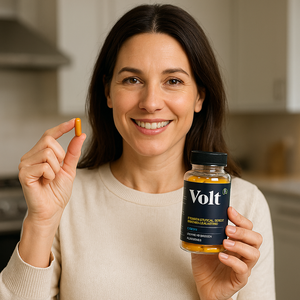
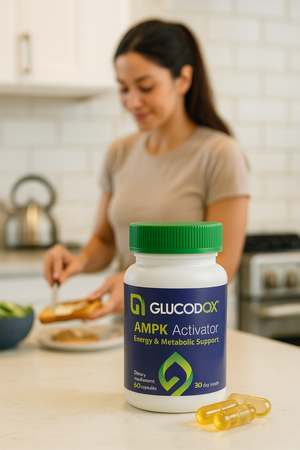
Are there no clinically studied ingredients in the product? High-quality supplements incorporate particular, trademarked forms of ingredients, such as GlucodOX® or VOLT03®, since the particular forms have been evaluated within a clinical setting. Many of the generic powders do not contain the active compounds (such as guggulsterones or curcuminoids) to achieve the effects.
How can underdosed supplements be identified?
-
What is the difference between a therapeutic dose and a label dose? A label dose reflects the quantity listed on the product label. A therapeutic dose is the dose that was actually reported to be effective in a clinical trial. “Label dressing” is a common practice in which small amounts of popular ingredients are included for marketing purposes.
-
Is there a clinical dosing standard of common ingredients such as guggul and curcumin? To really help the lipid metabolism and activate the AMPK (the master metabolic switch of your body), guggul should be provided in a highly concentrated and patented state. In the same way, normal turmeric powder has just a small percentage of curcumin, approximately 3%. Consumption of a generic turmeric pill is not comparable to consumption of a pharmaceutical quality supplement of curcumin such as VOLT03®.
Upgrade to our patent-protected, clinically supported products, such as GlucodOX® or VOLT03®, today.
What certifications indicate high vs. low quality?
When a brand fails to establish its quality by means of third-party validation, it is always safe to assume that it does not exist.
-
Is the product manufactured in a GMP-certified facility? Starting with cGMP (short for Current Good Manufacturing Practice) sets the foundation. This framework ensures cleanliness within the facility. Equipment receives regular calibration under its guidelines. Records document every operational step taken. Some manufacturers adopt standards that align more closely with pharmaceutical-grade production.
-
Does the company carry out third-party purity and potency testing? Low-quality supplements may carry risks of contamination, including heavy metals or microbial impurities. Third-party testing implies the verification that what is on the label is in the bottle, and nothing more, provided by an independent lab.
-
Can supplement labels be deceptive? Is FDA-registered the same as FDA-approved? No. This is a common source of consumer misunderstanding. All the plants dealing with food or food supplements are required to be registered by the FDA. It is not an award of quality or a guarantee that the product is effective; it reflects a regulatory requirement rather than a measure of product quality.
-
What are words that are not regulated by law? Such words as Natural, Doctor-Recommended, and High-Potency do not carry much legal meaning within the supplement industry. Any person can declare a product as natural despite it having very processed fillers. Rather, seek particular scientific assertions with Phase I, II, or III clinical trials.
What is the difference between Nutent and the normal supplement companies?
Our founder has 25 years of experience in the nutraceutical and pharmaceutical industry, which explains the existence of the Nutent Difference. We do not blindly accept the gifts of Mother Nature but perfect them scientifically into products that help people.
-
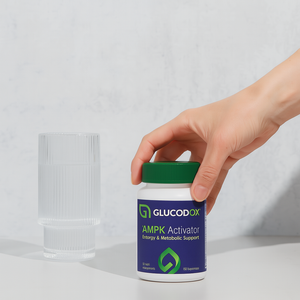
What are the patented nutraceutical novelties that Nutent uses? GlucodOX® is a patented guggul-based formulation designed to support pathways associated with metabolic regulation, including AMPK activity. Although generic guggul has been utilized in Ayurvedic medicine since time immemorial, our version goes a step ahead and is designed to support metabolic pathways associated with cellular energy regulation, yet via a natural route.
-
How does Nutent ensure bioavailability? Our curcumin VOLT03® supplement is statistically known to be significantly more bioavailable than ordinary curcumin. We understood that the greatest issue with turmeric was its absorption, and therefore, we invested in a pharmaceutical-grade delivery system that we know is designed to improve curcumin absorption and systemic availability.
What are the greatest fallacies that people have made when purchasing supplements?
-
By price alone: In the case of a 100-cap bottle, which costs $10, the contents of the bottle were probably less expensive to the manufacturer than a dollar. Lower-cost products may compromise on ingredient quality or dosing.
-
Getting sucked into influencer hype: Influencer endorsements should not be considered a substitute for clinical evidence. The people behind the brand must always have credentials.
-
Not paying attention to possible interaction: Natural supplements can interact with prescription drugs, even natural ones. At Nutent, we advise you to consult a healthcare professional to avoid potential interactions with medications.
The Bottom Line.
Health outcomes depend on multiple physiological and lifestyle factors. It is not necessary to decide between "Mother Nature" and "Modern Science." The combination of the two is the most appropriate approach. Acute and severe diseases have a pharmaceutical treatment, and high-quality nutraceuticals can be used to prevent diseases, keep your metabolism at the right level, and improve your overall quality of life.
Whenever you buy a supplement, you are investing in yourself. Avoid relying on low-quality or unverified supplements. Identify established companies that make their decisions based on patient outcomes rather than profit margins.
Prioritize evidence-based, quality-tested supplements. Buy supplements that are supported by science, are purity tested, and result-oriented.
Buy Science-Backed Nutraceuticals Now, with free U.S. Shipping on purchases above $50.
FAQs
1. What are low-quality supplements?
Low-quality supplements are products that may contain poor ingredients, inaccurate labeling, unnecessary fillers, or lack proper testing for safety and purity.
2. How can I identify a low-quality supplement?
Look for warning signs such as vague ingredient lists, proprietary blends without exact amounts, lack of certifications, and unrealistic health claims.
3. Why is third-party testing important?
Third-party testing helps verify that the supplement contains the listed ingredients and is free from harmful contaminants.
4. What are common fillers in low-quality supplements?
Common fillers include artificial colors, unnecessary binders, preservatives, and other additives that do not provide health benefits.
5. Are cheaper supplements always low quality?
Not always, but extremely low prices can sometimes indicate lower-quality ingredients or manufacturing standards.
6. What certifications should I look for in supplements?
Look for certifications related to good manufacturing practices (GMP) or independent quality verification.