Natural Antioxidants: The Best Food and Supplement Sources
Jun 16, 2025
Your body works hard every day — digesting food, powering your muscles, keeping your brain sharp, and repairing itself while you sleep. In the process, it creates unstable molecules called free radicals. When these build up, they can damage cells.
That’s where natural antioxidants come in. They help your body keep free radicals in check, supporting healthy aging, immune balance, and cellular energy. You can get antioxidants from colorful fruits, vegetables, herbs, and high-quality supplements. Research from trusted health institutions suggests that natural antioxidants play a role in long-term wellness. If you want to feel energetic, stay mentally sharp, and help protect your cells, learning where to find the best antioxidant sources is a great place to start.
If you're ready to explore natural antioxidants in more detail, keep reading
What Exactly Are Antioxidants and Why Does Your Body Need Them?
Antioxidants are natural compounds that help protect your cells from oxidative stress, which occurs when free radicals outnumber your body’s defenses. Over time, this imbalance may affect skin health, immune balance, metabolism, and cognitive performance.
Your body does produce some antioxidants on its own — such as superoxide dismutase and glutathione peroxidase — but diet and supplementation are essential.
Research indexed in the National Library of Medicine suggests antioxidant intake is associated with inflammation balance, cardiovascular support, and cellular protection from environmental stressors
What are the health consequences of antioxidant deficiency?
When your antioxidant levels are too low, your natural defenses weaken. Deficiency may not be obvious at first, but over time, it can affect several areas of wellness. Oxidative stress has been widely discussed in medical literature for its role in long-term cellular stress.
Possible consequences of inadequate antioxidant intake include:
- Reduced immune resilience: Your immune system becomes less effective at managing daily stressors.
- Dull, tired-looking skin: Oxidative stress affects collagen and may contribute to dryness or visible aging.
- Slower recovery after exercise: Muscle repair may take longer, reducing performance and overall energy.
- Cognitive fatigue: The brain is vulnerable to free radicals, which may influence focus and memory.
Greater sensitivity to environmental stress: Pollution, UV exposure, and daily toxins generate free radicals; without antioxidants, their impact increases.
Which Natural Foods Are Highest in Antioxidants?
Food is one of the most powerful sources of antioxidants. Colorful fruits and vegetables contain vitamins, minerals, and plant compounds that help protect cells. Eating a wide variety ensures you get different types of antioxidants that work together.
What fruits offer the highest antioxidant content?
Fruits (especially berries) contain some of the richest natural antioxidant levels. Studies from the USDA and other scientific sources consistently show that berries rank among the top.
Here are some of the best fruit sources:
- Blueberries: Rich in anthocyanins that support brain health and healthy aging.
- Strawberries: High in vitamin C to support strong immunity.
- Blackberries & raspberries: Loaded with polyphenols that support cardiovascular health.
- Cherries: Provide flavonoids that help manage oxidative stress.
- Apples (with the skin): The peel contains quercetin, a well-studied antioxidant.
- Pomegranates: Contain punicalagins linked to cellular protection.
These fruits can be enjoyed fresh, blended into smoothies, or added to oatmeal.
What vegetables provide powerful antioxidant benefits?
Vegetables supply different antioxidants than fruits, including carotenoids, chlorophyll, vitamin E, vitamin C, and sulfur-rich compounds that support natural detoxification pathways.
Some of the strongest vegetable sources include:
- Spinach: High in lutein and zeaxanthin for eye health.
- Kale: Packed with vitamins C and K, plus polyphenols.
- Broccoli & Brussels sprouts: Rich in sulforaphane, which supports cellular protection.
- Carrots & sweet potatoes: Provide beta-carotene for skin and vision support.
- Red cabbage: Contains anthocyanins similar to berries.
These vegetables support immunity and long-term cellular health.
Are herbs and spices a potent antioxidant source?
Herbs and spices deliver concentrated antioxidants. Even small amounts can make a meaningful difference. According to National Library of Medicine’s research, many herbs offer greater antioxidant capacity per gram than fruits and vegetables.
Here are a few standout examples:
- Turmeric: Contains curcumin, a compound studied for its role in supporting inflammation balance
- Cinnamon: Rich in polyphenols that help manage oxidative stress.
- Oregano & thyme: Provide rosmarinic acid, a strong antioxidant.
- Ginger: Contains gingerols that support digestion and immunity.
Adding herbs and spices to meals, teas, or soups is an easy way to increase antioxidant intake.
Which Natural Antioxidant Supplements Are Most Clinically Effective?
Food should be your primary source of antioxidants, but supplements help fill nutritional gaps and provide concentrated support. Research suggests that certain antioxidant compounds support cellular protection, immune function, and healthy aging.
What are the top antioxidant ingredients in supplements?
Clinically studied antioxidant compounds include:
- Vitamin C: Supports immune defense and skin health.
- Vitamin E: Protects cell membranes from oxidative stress.
- Coenzyme Q10: Essential for energy production within cells.
- Alpha-lipoic acid: Helps recycle other antioxidants and supports metabolic function.
- Glutathione: Known as the “master antioxidant” due to its role in detoxification.
- Curcumin: Supports healthy inflammatory responses.
Resveratrol: Found in grapes; widely researched for healthy aging benefits.
High-quality supplements use these ingredients in clinically validated doses.
Are natural antioxidant supplements safe and effective?
Most antioxidant supplements are safe when taken as directed. Clinical research suggests positive outcomes when supplements use high-quality ingredients designed for effective absorption.
Supplements work best alongside a balanced diet. They enhance your nutrient intake but don’t replace whole foods. If you have medical conditions or take medications, consult a healthcare professional before starting any new supplement.
How Do Natural Antioxidant Supplements Compare to Food-Based Sources?
Whole foods provide a broad spectrum of antioxidants that work synergistically with fiber, minerals, and other plant compounds. However, supplements offer targeted benefits and deliver doses that may be difficult to consume from food alone.
For example, achieving higher intake levels of CoQ10 or alpha-lipoic acid through food alone can be challenging. Supplements make optimal levels more attainable. The best approach: Use whole foods as the foundation, and supplements as strategic support.
How Should You Incorporate Natural Antioxidants Into Your Wellness Routine?
Supporting your body with antioxidants doesn’t need to be complicated — the key is consistency. Simple daily habits include:
- Eat antioxidant-rich fruits like blueberries, strawberries, or apples.
- Add vegetables to every meal, especially leafy greens.
- Cook with herbs and spices such as turmeric, ginger, and oregano.
- Choose a high-quality antioxidant supplement with clinically studied ingredients.
- Stay hydrated to support natural detoxification pathways.
- Protect your skin with SPF and internal antioxidant support.
Small daily choices create lasting benefits.
Where Can You Buy High-Quality, Science-Backed Antioxidant Supplements?
Nutent Therapeutics develops nutraceutical formulas using a clinically informed, pharmaceutical-grade approach. Rather than blending multiple antioxidant ingredients, Nutent focuses on targeted compounds delivered in forms the body can absorb effectively.
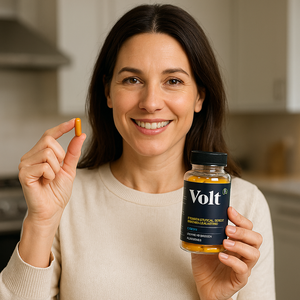
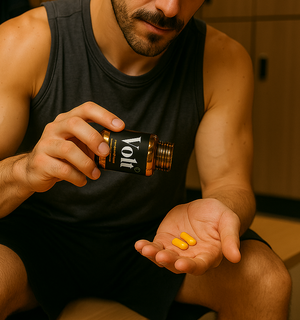
Nutent Therapeutics’ VOLT03® contains pharma-grade curcumin complexed with gamma cyclodextrin, a pharmaceutical-grade solubilizer designed to enhance absorption in the bloodstream. Curcumin is a powerful antioxidant by nature, but its effectiveness depends on bioactivity, meaning enough must reach circulation to support cellular health.
All Nutent Therapeutics products are manufactured in cGMP-certified facilities, with ingredient traceability, purity testing, and third-party verification built into every batch.
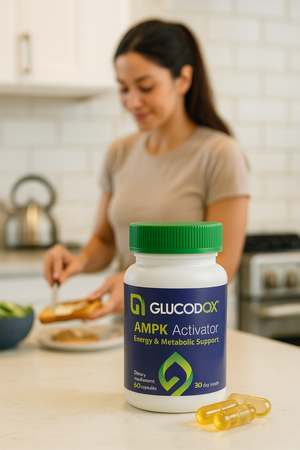
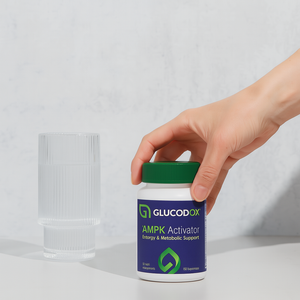
Nutent Therapeutics also offers GlucodOX®, An AMPK activator, that turns on AMP-activated protein kinase, an enzyme acting as a cellular energy sensor, telling the body to burn fat and use glucose when energy is low, mimicking exercise effects and potentially aiding metabolic health. GlucodOX® supports metabolic pathways associated with cellular energy balance and resilience.
Together, Nutent Therapeutics’ formulations are designed to support:
- Inflammation balance
- Metabolic function
- Joint comfort
- Overall cellular wellness
This focused, science-driven approach allows Nutent Therapeutics to deliver targeted support without unnecessary fillers or exaggerated claims.
Bottom Line
Natural antioxidants protect your body from daily stress and play a key role in healthy aging, energy, immunity, and cellular function. You can get them from colorful foods, herbs, and trusted supplements.
A balanced diet combined with high-quality antioxidant formulas provides a strong foundation for long-term wellness. Nutent Therapeutics offers science-backed, GMP-certified nutraceutical supplements designed to support wellness through targeted delivery systems and clinically informed formulations
FAQs
1. What are natural antioxidants?
Natural antioxidants are compounds found in foods and plants that help neutralize free radicals, protecting cells from oxidative damage and supporting overall health.
2. What foods are highest in antioxidants?
Foods rich in antioxidants include berries, dark leafy greens, nuts, seeds, dark chocolate, green tea, and colorful vegetables.
3. Are antioxidant supplements as effective as food sources?
Whole foods are generally more effective because they provide a combination of antioxidants, fiber, and nutrients that work together. Supplements may help in cases of deficiency or increased need.
4. Which antioxidant supplements are most popular?
Common antioxidant supplements include vitamin C, vitamin E, selenium, curcumin, resveratrol, and coenzyme Q10.
5. Can natural antioxidants help prevent disease?
Antioxidants may help reduce the risk of chronic diseases by minimizing oxidative stress, supporting immune function, and reducing inflammation.
6. Is it safe to take antioxidant supplements daily?
For most people, daily use at recommended doses is safe. Excessive supplementation may disrupt the body’s natural balance, so moderation is important.