Should You Take Curcumin, CoQ10, or NAC? An Evidence-Based Comparison for Optimal Wellness
Jul 14, 2025
Struggling with inflammation, fatigue, or oxidative stress but can’t decide which supplement will give you exactly what you need? Curcumin, CoQ10, and NAC are among the most studied nutraceuticals of the modern era of integrative medicine. But they act in profoundly different ways inside the body. The trick is to choose the one that works for you, given your health needs, biology, and the quality of the supplement you’ll want to use. This expert comparison of these three nutraceuticals will help you make an informed decision.
Read on to explore which supplement aligns best with your wellness journey, backed by scientific insights and therapeutic dosages.
What makes curcumin, CoQ10, and NAC so popular in nutraceutical medicine?
Curcumin, CoQ10, and NAC are three compounds that consistently appear in clinical research because they target three foundational pillars of health:
-
Inflammation regulation
-
Mitochondrial energy production
-
Oxidative stress and antioxidant defense
What is curcumin, and how does it work in the body?
Curcumin is the primary active compound extracted from turmeric. While turmeric is a culinary spice, curcumin is the concentrated bioactive responsible for most of its scientifically studied benefits.
Research shows curcumin:
-
Modulates NF-kB, a key inflammatory signaling pathway
-
Influences COX-2 enzyme activity
-
Acts as a powerful antioxidant
-
Supports mitochondrial signaling
In joint health studies, curcumin has demonstrated measurable support for mobility and inflammatory balance. In terms of research on human metabolism, it was found to interact with the AMPK pathways, which are involved in cellular energy regulation.
However, there was a critical limitation in the bioavailability of curcumin. The bioavailability of curcumin was very low. It was not well absorbed in its original form.
What is Coenzyme Q10 (CoQ10) and why is it important for cellular energy?
But CoQ10 is in a different league than curcumin. It isn't merely an antioxidant; it also assists in ATP production within the mitochondria. CoQ10 is a vital cog in the electron transport chain, used when the body metabolizes nutrients to convert them into energy within its cells. When the supplies of CoQ10 are low, then mitochondria may work less effectively.
Clinical literature highlights CoQ10’s role in:
-
Supporting heart health
-
Enhancing mitochondrial energy production
-
Protecting cells from oxidative damage
Unlike curcumin, which primarily regulates inflammation, CoQ10 directly supports energy synthesis. There are two common forms:
-
Ubiquinone (standard form)
-
Ubiquinol (more bioavailable form)
What is NAC (N-acetyl cysteine)?
NAC is a precursor to glutathione, often referred to as the body’s master antioxidant. The biochemical pathway works as follows:
NAC → cysteine → glutathione synthesis → antioxidant regeneration
NAC has been widely studied for:
-
Supporting liver detoxification pathways
-
Promoting respiratory health
-
Reducing oxidative stress
-
Supporting immune balance
It is even used clinically in hospital settings under supervision for acetaminophen toxicity. Compared to curcumin and CoQ10, NAC’s primary strength lies in restoring antioxidant capacity rather than directly influencing inflammation or ATP production.
What health benefits do curcumin, CoQ10, and NAC offer, according to science?
Which Supplement Has the Best Anti-Inflammatory Effects?
Curcumin is the most promising candidate for modulating inflammation. Studies show its support of the NF-kB and COX-2 pathways, providing an important mechanism for maintaining inflammatory balance and joint health.
NAC also decreases some pro-inflammatory cytokines in both the lung and the liver, but it is not considered an anti-inflammatory due to its mechanism. “Curcumin is usually king if you are more focused on chronic joint pain or systemic inflammation,” according to Berman.
Which Is Better for Energy and Mitochondrial Support?
CoQ10 is a critical component of ATP production. Without it, the mitochondria would not be able to produce energy efficiently in the cell. Curcumin could have an indirect role in the support of mitochondrial health, but not as directly as CoQ10. If fatigue, cardiovascular exertion, or mitochondrial dysfunction is a primary concern, then CoQ10 would be a more specific support.
How Do They Support Detoxification and Antioxidant Defense?
NAC stands out here. By replenishing glutathione levels, NAC enhances the body’s endogenous antioxidant system. Curcumin acts as a direct antioxidant scavenger.
CoQ10 protects mitochondrial membranes from oxidative damage. If detoxification and glutathione support are priorities, NAC is often considered first-line among these three.
Are There Immunity-Specific Benefits?
NAC supports respiratory defense mechanisms. Curcumin modulates immune signaling pathways. CoQ10 helps sustain immune energy demands. Each plays a supportive role, but none should replace medical treatment for acute illness.
What are the differences in bioavailability and absorption?
Is Curcumin Hard to Absorb Without a Specialized Formula?
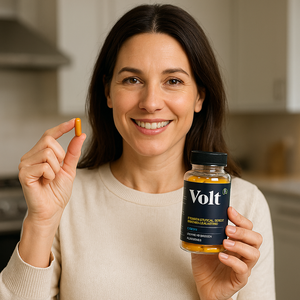
Yes. Standard curcumin is poorly absorbed without specialized delivery systems. That’s why pharmaceutical-grade formulations like VOLT03® by Nutent Therapeutics focus on enhanced bioavailability and therapeutic dosing. VOLT03® is manufactured in GMP-certified facilities and third-party tested for purity and potency, a critical distinction in the supplement market. You can learn more about the formulation here.
Does NAC Need Co-factors or Specific Dosages?
NAC is relatively well absorbed orally, but dosing precision matters. It should be used cautiously in individuals on certain medications, and consultation with a healthcare professional is advised.
How Well Is CoQ10 Absorbed?
CoQ10 is fat-soluble. It absorbs best when taken with meals containing dietary fat. Ubiquinol is generally more bioavailable than ubiquinone. Again, formulation quality plays a significant role.
Which Supplement Should You Take Based on Your Health Goals?
Choosing between curcumin, CoQ10, and NAC is not about which one is “best” overall; it’s about which one best aligns with your physiological needs. Each supports a different core system in the body: inflammation regulation, mitochondrial energy production, or antioxidant regeneration.
What If You Have Chronic Joint Discomfort or Inflammation?
If your primary concern is joint stiffness, inflammatory discomfort, or long-term inflammatory balance, curcumin is typically the most targeted choice.
Curcumin has been shown to modulate NF-kB and COX-2 pathways, both central regulators of inflammation. Clinical reviews demonstrate its potential to support mobility and joint comfort when delivered at therapeutic dosages. However, not all curcumin products are created equal.
Standard turmeric capsules often contain low levels of absorbable curcumin. Pharmaceutical-grade formulations designed for enhanced bioavailability are critical for achieving clinically relevant plasma concentrations.
Top choice for joint support: Curcumin, specifically a high-bioavailability formulation.
If you are considering a therapeutic-grade option, you can explore VOLT03® by Nutent Therapeutics, formulated to deliver clinically supported dosing with enhanced absorption: VOLT03® is manufactured in GMP-certified facilities and third-party tested for purity and potency, reinforcing Nutent’s commitment to scientific rigor.
What About Heart Health or Fatigue Symptoms?
If your concern is cardiovascular performance, cellular aging, or persistent fatigue, CoQ10 may be the more direct support strategy. CoQ10 plays an essential role in mitochondrial ATP production. Without sufficient CoQ10, the electron transport chain cannot efficiently generate cellular energy.
Research published through the National Institutes of Health highlights CoQ10’s role in:
-
Supporting heart muscle function
-
Improving mitochondrial efficiency
-
Protecting cells from oxidative stress
Unlike curcumin, which primarily regulates inflammation, CoQ10 directly supports cellular energy synthesis. For individuals experiencing energy decline, particularly aging adults or those on statin therapy (under physician supervision), CoQ10 supplementation may provide meaningful support.
Are You Focused on Detox, Liver Health, or Immunity Boosting?
If your priority is antioxidant regeneration, respiratory resilience, or liver detoxification support, NAC is often the most targeted option. NAC serves as a precursor to glutathione, the body’s master antioxidant. By replenishing glutathione stores, NAC enhances endogenous detoxification pathways and oxidative stress protection.
Clinical research supports NAC’s role in:
-
Supporting liver function
-
Promoting respiratory health
-
Reducing oxidative stress
-
Modulating inflammatory cytokines
Unlike curcumin or CoQ10, NAC works upstream in antioxidant production rather than directly influencing inflammation or ATP synthesis. If detoxification or glutathione support is your goal, NAC is commonly selected, always with appropriate medical guidance if prescription medications are involved.
Can You Take Curcumin, NAC, and CoQ10 Together Safely?
This is one of the most common questions, and the answer requires nuance. These supplements work through different pathways, which means they can often complement one another when used responsibly.
Are There Any Known Interactions Between These Supplements?
In general, curcumin, NAC, and CoQ10 are considered safe when used together at appropriate doses. However, transparency matters.
Potential considerations include:
-
Curcumin may interact with anticoagulant medications
-
NAC may interact with nitroglycerin
-
CoQ10 may influence blood pressure medications
None of these interactions is inherently dangerous when managed properly, but they reinforce the importance of professional consultation. If you are taking prescription medications, always consult your physician or pharmacist before combining supplements.
How Should You Space or Dose These Supplements?
While individualized dosing should be determined by a healthcare professional, a general educational framework may look like this:
Morning (with food containing healthy fats):
-
CoQ10
-
Curcumin
Midday or early evening (between meals):
-
NAC
Spacing supplements can help optimize absorption and reduce gastrointestinal discomfort. Again, this is not medical advice, but a structured example of how practitioners often space antioxidant and mitochondrial-support compounds. Always speak with your pharmacist or physician before initiating a new regimen.
How Do You Choose a Quality Supplement for Curcumin, NAC, or CoQ10?
The supplement market is highly variable in quality. The difference between an effective product and an ineffective one often comes down to formulation science.
What Should You Look for in a High-Quality Formulation?
Look for the following:
-
Bioavailability-enhancing technology
-
Therapeutic dosages aligned with published research
-
Third-party laboratory testing
-
Manufacturing in cGMP-certified facilities
-
Transparent labeling with no proprietary concealment of active dosages
Nutent Therapeutics emphasizes pharmaceutical-grade standards in nutraceutical development.
How Does VOLT03® Compare to Other Curcumin Brands on the Market?
Many curcumin products rely on raw turmeric powder or low-dose extracts without enhanced absorption technology. VOLT03® differentiates itself through:
-
Pharmaceutical-grade curcumin
-
Enhanced bioavailability formulation
-
Therapeutic dosing supported by research
-
Manufacturing in GMP-certified facilities
-
Third-party testing for purity and potency
What Does the Research Say About Long-Term Use and Safety?
Is Long-Term Use Safe for Curcumin, NAC, and CoQ10?
Clinical literature shows:
-
Curcumin: Demonstrates strong safety profiles in studies using doses up to 8 grams per day for short durations (typically up to three months).
-
NAC: Generally well tolerated, though regulatory scrutiny in the U.S. has prompted classification discussions.
-
CoQ10: Has decades of cardiovascular research supporting long-term use under supervision.
Most reported side effects are mild and gastrointestinal in nature. However, long-term supplementation should always be reviewed with a healthcare professional.
Do These Supplements Have Drug Interactions?
Yes, and transparency is critical.
Potential interactions include:
-
Curcumin + blood thinners
-
NAC + nitroglycerin
-
CoQ10 + blood pressure medications
These interactions do not mean supplements are unsafe, but they reinforce the importance of individualized guidance. Nutent’s philosophy emphasizes informed decision-making over blanket recommendations.
What Are Your Next Steps for Choosing the Right Supplement?
Should You Speak With a Healthcare Professional First?
Yes, especially if you:
-
Take prescription medications
-
Manage chronic conditions
-
Are you pregnant or nursing
-
Have complex metabolic concerns
Nutent encourages partnership with your healthcare provider. Supplements should support, not replace, responsible medical care.
Can You Combine These Supplements in Your Routine?
In some cases, yes.
|
Health Goal |
Primary Option |
Possible Combination |
|
Joint support |
Curcumin |
Curcumin + NAC |
|
Energy & fatigue |
CoQ10 |
CoQ10 + Curcumin |
|
Detox support |
NAC |
NAC + Curcumin |
|
Broad antioxidant support |
NAC |
NAC + CoQ10 |
How Can You Try a Therapeutic-Grade Curcumin Supplement?
If inflammation and joint support are your primary goals, consider a pharmaceutical-grade formulation.
VOLT03® by Nutent Therapeutics
-
Pharmaceutical-grade curcumin
-
Manufactured in GMP-certified facilities
-
Third-party tested for purity and potency
-
Backed by clinical data
-
90-Day Satisfaction Guarantee
FAQs
1. Can These Be Used Alongside Prescription Medications?
Possibly, but interaction risks vary. Always consult your healthcare provider before combining supplements with prescription drugs.
2. Which Is Best for Aging Support or Longevity?
CoQ10 supports mitochondrial health, a core factor in cellular aging. Curcumin supports inflammatory balance. NAC supports antioxidant regeneration. Longevity strategies often involve multiple pathways rather than a single compound.
3. Are Natural Supplements Always Safer Than Drugs?
Not automatically. Pharmaceuticals are essential for treating acute and life-threatening conditions. Nutraceuticals support physiological balance and long-term wellness. Both have important roles when used responsibly and under guidance.